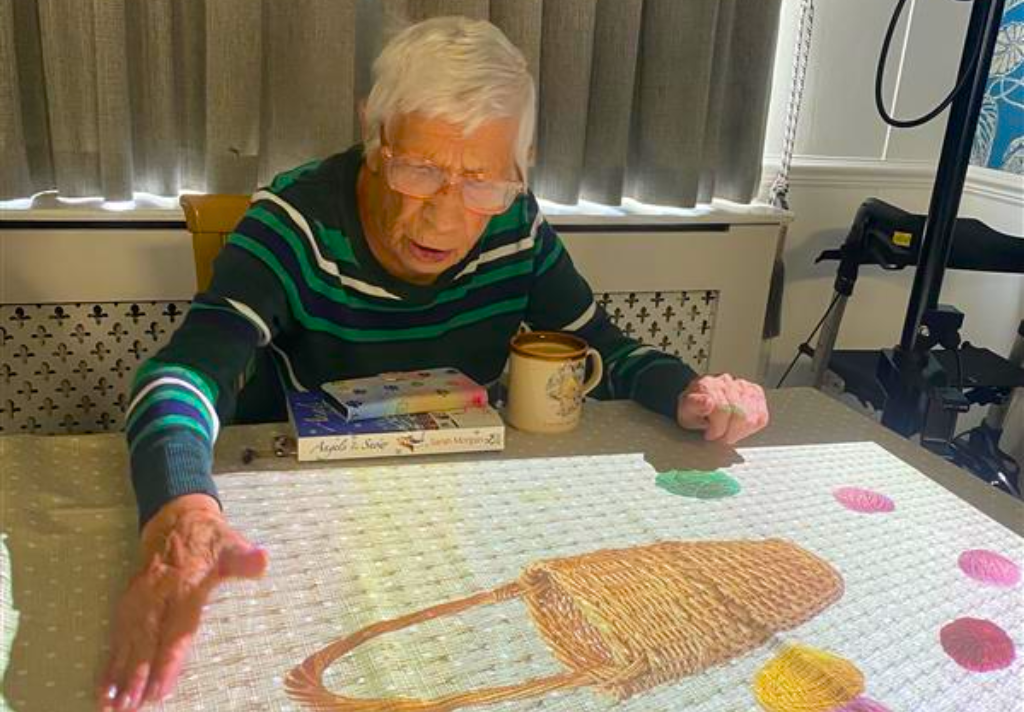

There is something quietly powerful about a shared moment.
A familiar song begins to play in the lounge. A resident who had been sitting quietly begins tapping gently in rhythm. Another joins in. Soon the room fills with soft singing, laughter, and conversation about dances attended decades ago. What started as background music becomes connection.
In residential and nursing care, these moments matter.
Over 20 years in healthcare and social care; progressing from Home Manager to Director of Operations and multi-site Registered Manager; I have seen how meaningful engagement directly shapes wellbeing, confidence, and quality of life. When people feel involved, heard, and encouraged to participate, their sense of belonging grows.
At Langdale Care Homes, we view activities not as scheduled distractions, but as opportunities for expression, companionship, and joy.
Life Does Not Pause in Later Years
Moving into a residential or nursing home can be a significant transition. Yet age does not diminish curiosity, humour, creativity, or the desire to contribute.
Many of our residents arrive with rich histories. They have tended gardens, raised families, built careers, travelled, crafted, danced, cooked, and cared for others. Those experiences do not disappear. They simply require space to be shared.
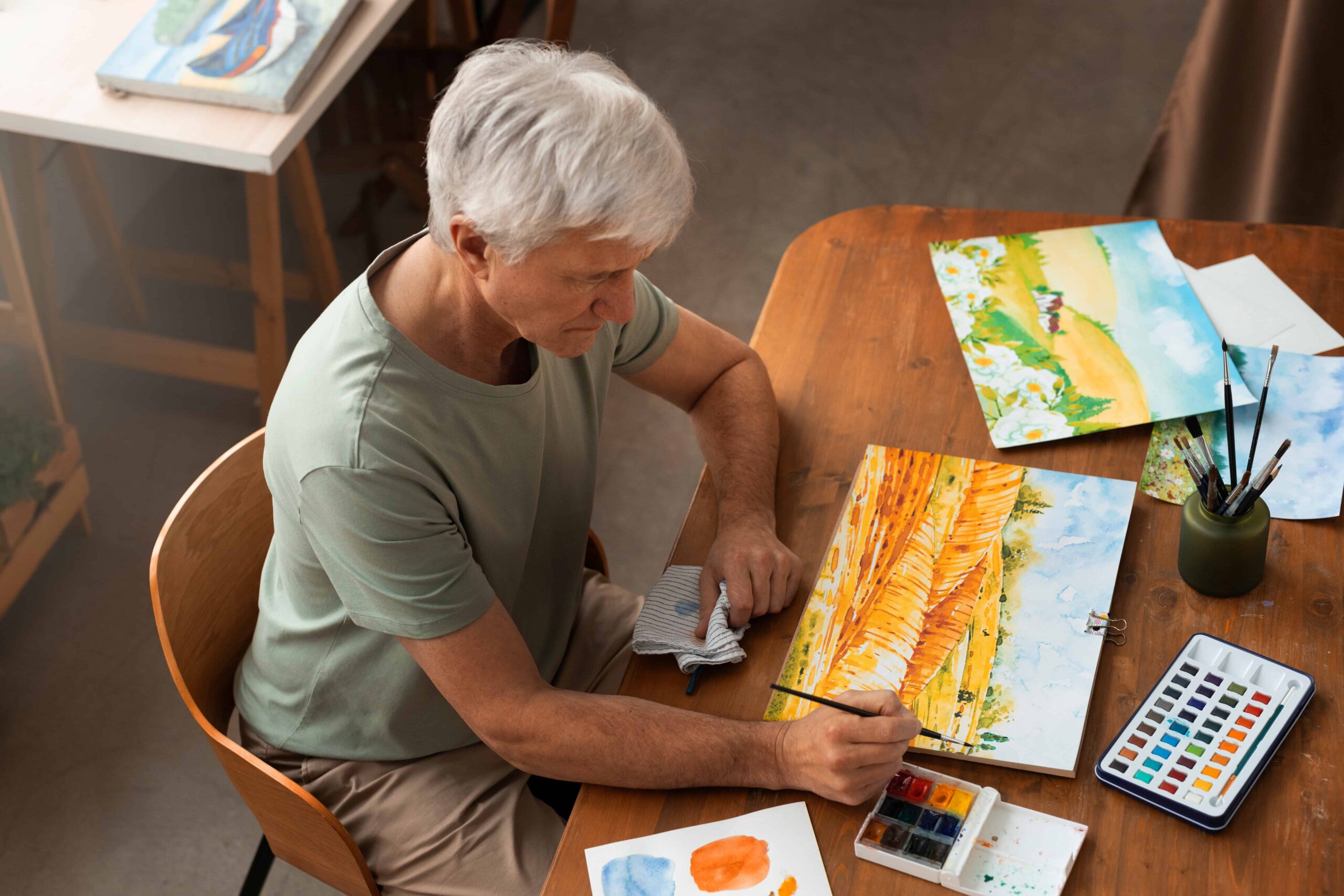
I once observed an art session where several residents were painting seasonal flowers. One lady initially insisted she was “not artistic.” A little while later, she was blending colours with careful concentration. As she painted, she described the rose bushes she had grown for many years. Her hands moved confidently. Her voice grew animated. The painting became secondary to the story it unlocked.
Engagement can restore confidence gently, without pressure.
More Than a Calendar
A vibrant care home lifestyle is not simply about the number of activities offered. It is about creating an environment where residents feel invited to participate.
Some may choose group sessions. Others prefer quieter one to one engagement. Personal preference guides planning. Flexibility remains important.
The most encouraging moments are often subtle. A resident who lingers after a session to continue conversation. A previously quiet individual who volunteers to read aloud. A shared joke that spreads around a table.
These are signs of connection.
The Joy of Familiar Music
Music often creates some of the most moving moments within our homes.
During one afternoon performance, a visiting musician played songs from the 1950s and 1960s. A gentleman who rarely spoke began quietly humming along. After a few verses, he spoke about courting his wife at local dances. His eyes brightened as he described polished floors and Sunday evenings spent listening to the radio.
Others in the room listened attentively. Some added their own memories. For a while, the lounge felt less like a shared living space and more like a gathering of old friends revisiting cherished chapters of their lives.
Music does not require explanation. It invites participation naturally.
Creativity as Self Expression
Creative workshops remain a valued part of our activity calendar. Painting, knitting, seasonal crafts, and collaborative projects allow residents to explore both familiar skills and new interests.

The process itself often holds greater meaning than the finished piece. Conversation flows more easily when hands are busy. Shared laughter often accompanies unexpected splashes of colour or playful competition over craft ideas.
One resident once carefully folded coloured paper during a seasonal decoration workshop. As she worked, she explained how she used to make decorations for her children. The simple act of crafting became a way of reconnecting with family memories.
Creativity can provide both comfort and stimulation.
Movement and Gentle Activity
Physical engagement does not need to be strenuous to be valuable. Chair based exercises, guided stretching, and short supervised walks in the garden can encourage confidence and movement.
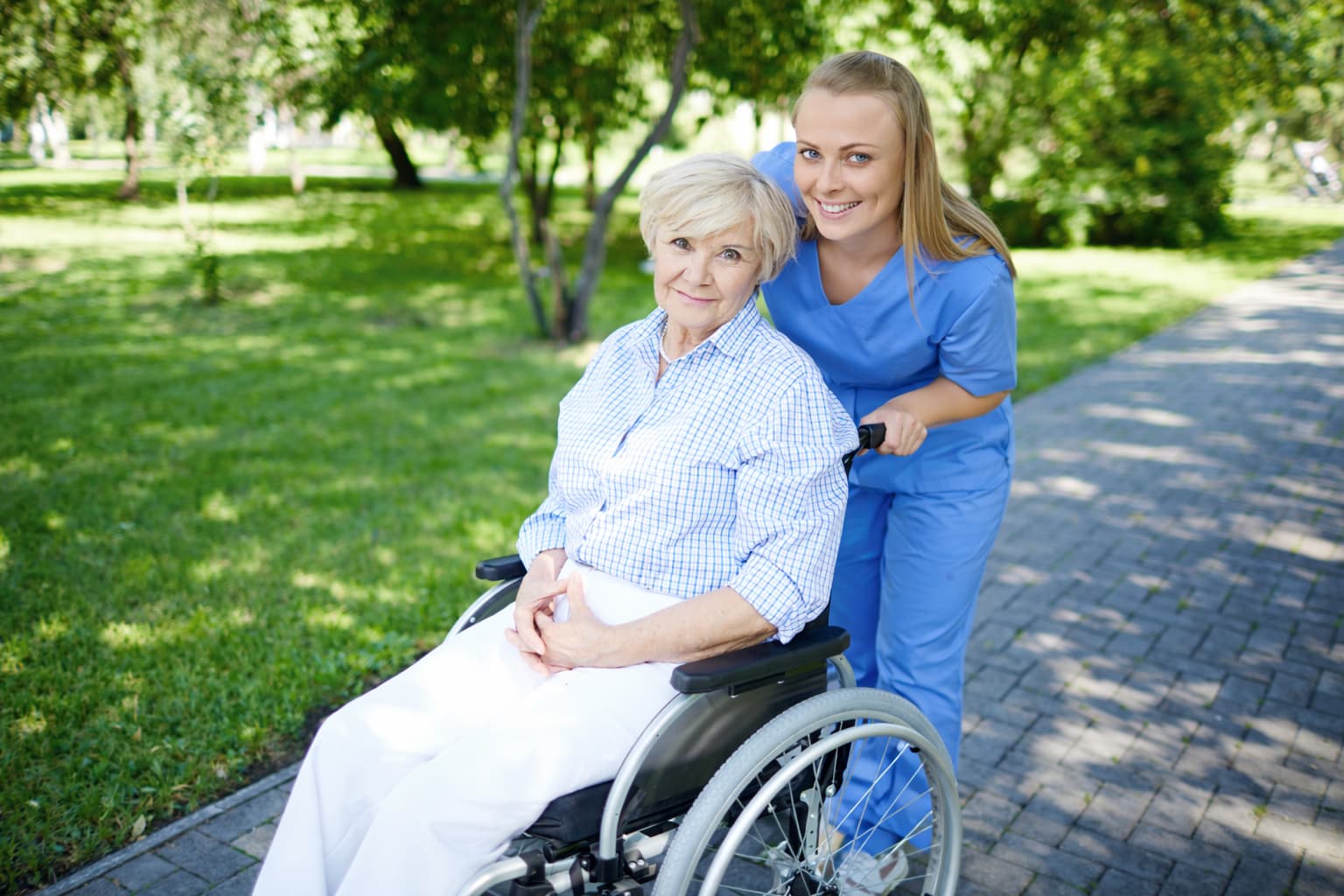
I often notice a shift in posture after a gentle fitness session. Shoulders relax. Smiles appear. Conversations continue as people leave the room.
For some, participation builds gradually over time. What begins as observation may turn into small movements, then steady involvement. That gradual confidence can be deeply affirming.
Maintaining mobility, even in modest ways, supports independence, reduces the risk of physical decline, and strengthens self-belie
The Calm of Gardening
Outdoor spaces provide a different rhythm. The scent of herbs, the texture of soil, and the sight of flowers in bloom can evoke familiarity and calmness.
As someone who finds personal peace in gardening, I have always understood how working with plants slows the mind and encourages quiet reflection. Within our homes, I often see that same sense of calm emerge in residents as they reconnect with something familiar and purposeful.
During a gardening club session, a resident once paused while planting seeds and described helping his father grow vegetables many years earlier. The memory surfaced slowly, accompanied by a quiet smile.
Nature has a way of grounding people. Even brief time spent tending to plants can offer focus, peace, and a gentle sense of achievement.
Reminiscence and Shared Stories
Reminiscence sessions often become some of the most meaningful gatherings within a care home.
A simple photograph or familiar object placed on a table can open conversation. I remember one occasion when an old railway ticket prompted a detailed story about travelling across the country as a young adult. The storyteller’s voice strengthened as others leaned forward to listen.
These exchanges create community. Residents discover common experiences. Friendships deepen through shared understanding.
Stories remain powerful at every stage of life.
Intergenerational Moments
When younger visitors spend time within the home, the atmosphere often changes gently. Curiosity flows both ways.
During one visit from a local school group, a child asked a resident about favourite childhood games. What followed was a lively comparison between playground activities decades apart. Laughter echoed as similarities were discovered.
Intergenerational programmes can create warmth and mutual respect. They remind residents that they remain connected to wider community life.
Celebrating the Seasons
Throughout the year, seasonal events bring colour and anticipation into our homes. From spring themed lunches to winter celebrations filled with music and shared recipes, these gatherings provide rhythm and shared enjoyment.
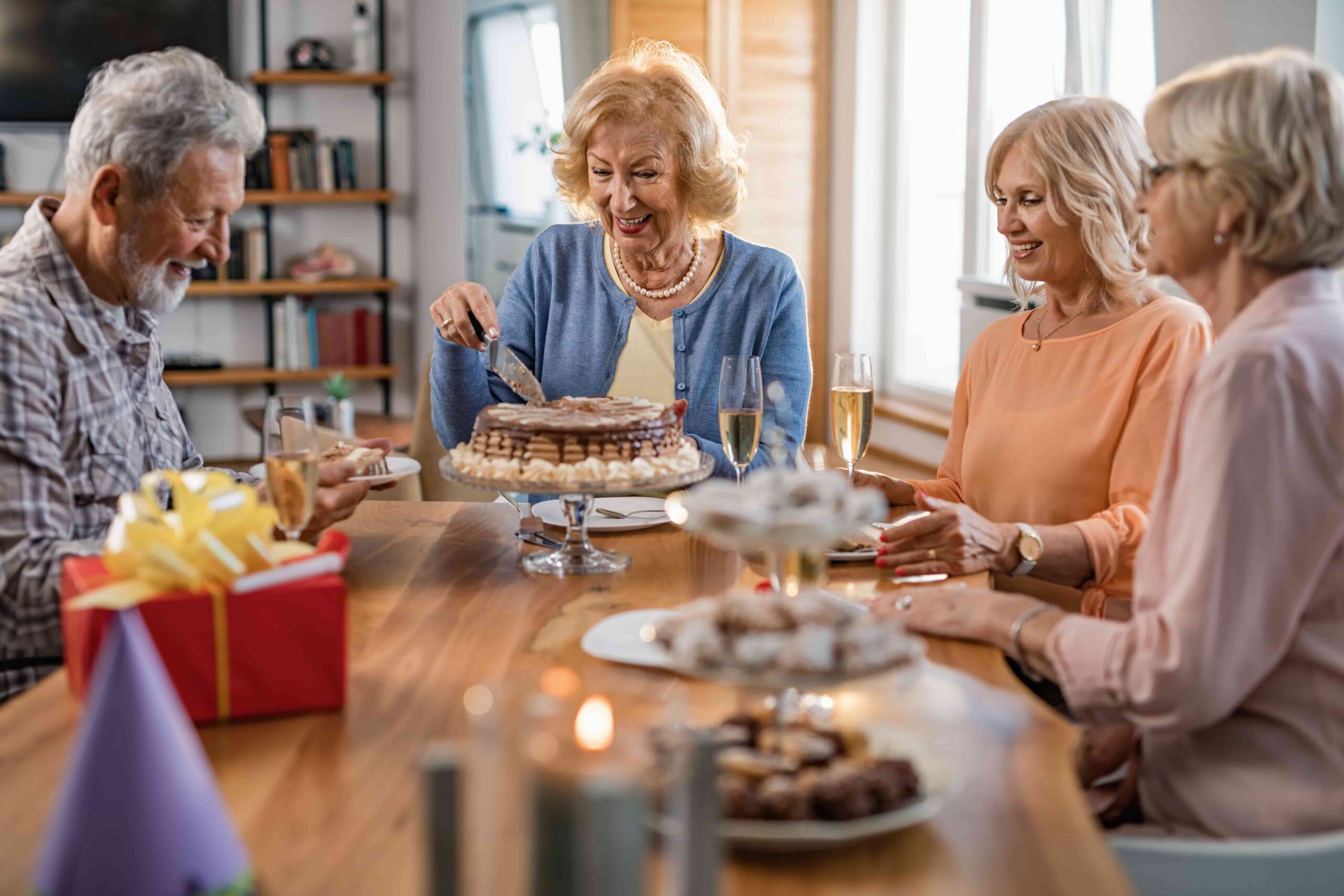
One winter afternoon, residents gathered around a decorated table with warm drinks and festive music. Some spoke about snow covered streets from childhood. Others described favourite dishes passed down through generations. The room felt bright, even as daylight faded outside.
Celebrations do not need to be elaborate to be meaningful. It is the togetherness that lingers.
Meaningful Engagement Requires Leadership
Creating meaningful engagement does not happen by accident. It requires skilled activity teams, compassionate carers, structured care planning, and leadership that values person-centred care as highly as clinical excellence.
Across Langdale Care Homes, we invest in training, life history work, and personalised activity planning because we understand that quality of life is not separate from quality of care ; it is part of it.
A Community Shaped by Participation
Residential and nursing care environments are communities in their own right. They thrive when residents feel included and staff feel confident facilitating meaningful experiences.
In my experience, engagement is most successful when it is rooted in listening. Understanding life histories, hobbies, and preferences helps shape programmes that feel personal rather than generic.
When people recognise elements of their own story within daily life, comfort follows naturally.
Reflections
Care is often described in terms of support, safety, and comfort. These elements remain essential. Alongside them sits something equally important the opportunity to continue expressing personality, humour, memory, and creativity.
Later life still holds potential for growth, laughter, and companionship.
When music fills a room, when hands are busy with paint or soil, or when stories are exchanged across generations, we see how meaningful engagement can brighten ordinary days.
For us, meaningful engagement is not an added extra; it is woven into daily life. It reflects our belief that care is not only about safety and support, but about ensuring that every stage of life continues to hold purpose, connection, and joy.